Can I install my own backflow preventer?
Homeowners who need a
backflow preventer are responsible for its
installation. They also need to shoulder
the costs of setting up
the device. They may choose to
install it on
their own or have a professional plumber carry out
the job.
Where should backflow preventer be installed?
RP’s
must be
installed above ground.
Backflow preventers installed inside
must be a minimum distance of twelve (12) inches above the floor, and no higher than four (4) foot above the floor, with adequate clearance around the
backflow preventer for testing and/or repair.
How much does it cost to install a backflow preventer?
On
average,
backflow preventer installation costs about $300. Most homeowners pay between $135 and $1,000 depending on the size and type of the system. The device itself ranges from $35 to $600, while professional labor
costs between $100 and $400.
How do you install a back flow valve?
Where is backflow valve located?
If you aren’t sure, take a look around your basement —
backwater valves are usually
located in the floor and have a cover that can easily be removed for maintenance. The cover itself is likely round, but there may also be a rectangular panel on top. If you have a sump pump, the
backwater valve is likely close by.
Do I need a backflow preventer for drip irrigation?
The
backflow preventer is a device that prevents dirt, salmonella, dog pee, etc. from being sucked back into your drinking water from the
drip system. You
need to use a
backflow preventer on ALL
drip systems. No exceptions!
Is 40 psi too much for drip irrigation?
Not installing a
pressure regulator
Most drip irrigation systems operate best at around 30 PSI, though devices like misters and sprinklers are happy with 40 or 50 PSI.
When should you use a backflow preventer?
A
backflow preventer is like a
one-way gate for water. Most
backflow preventers are
used to keep unsafe water from reversing flow and entering the clean water supply.
Backflow preventers can be as simple as a single check valve that closes when water flow reverses.
Do I really need a backflow preventer?
The key to preventing
backflow is to have a properly installed, maintained, and inspected
backflow prevention device as part of your culinary water system. The answer is: you
need backflow prevention if you have a culinary water connection that may be used to supply a sprinkler system.
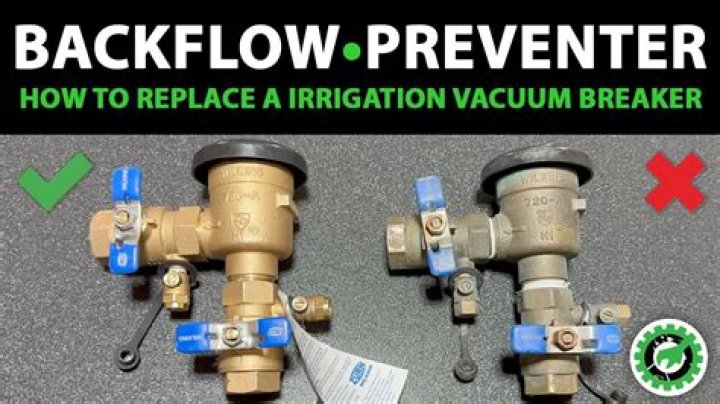
What does a backflow preventer look like?
Double check
backflow preventers consist of two check valves, four test ports, and two shut-offs and are commonly found in green rectangular irrigation boxes at ground level. These are also occasionally installed in crawl spaces, garages, and unfinished basements.
Does every house have a backflow preventer?
Are
Backflow Preventer Devices Required? For residential properties,
backflow prevention isn’t required in most
homes. As far as commercial plumbing systems are concerned, most municipalities across the nation require
backflow preventer devices as well as annual testing.
Does a backflow preventer reduce water pressure?
All
backflow preventers, and all fittings, and all lengths of pipe,
reduce pressure.
How do I choose a backflow preventer?
How long does a backflow preventer last?
Backflow preventers are made to
last and assemblies that have been installed for fifty plus years continue to provide the needed protection for our water systems. Replacing a functioning assembly only because of its length of service
does not make sense.
Why do backflow preventers fail?
Backflow prevention assemblies
are designed to provide decades of protection. There
are many regional conditions that
can shorten the working life of a
backflow preventer. Conditions such as excessive pressure, water quality, temperature or turbidity
can all cause the assembly to deteriorate in its performance.
Can a backflow preventer fail?
Some of the most common problems that
could cause your
backflow preventer to
fail include: Faulty first check valve. The first check valve in a reduced pressure backup
preventer opens up at certain water pressures, allowing the water to then pressurize the space between the first and second check valves.
What causes backflow preventer to leak?
Another
cause for a
leaking backflow preventer is incorrect placement in the head assembly. If it is placed upstream from a timer and the system is not being used but the hose is on, pressure will build up, which can damage the
backflow preventer. To relieve some of the pressure, water will
leak from the relief holes.
What to do if backflow preventer is leaking?
How often do Backflow devices need to be tested?
Backflow prevention assemblies
are required to be tested at least annually (and upon installation or repair) in accordance to Section 7605(c) Title 17 of the
California Code of Regulations (CCR) and Section 4.72.