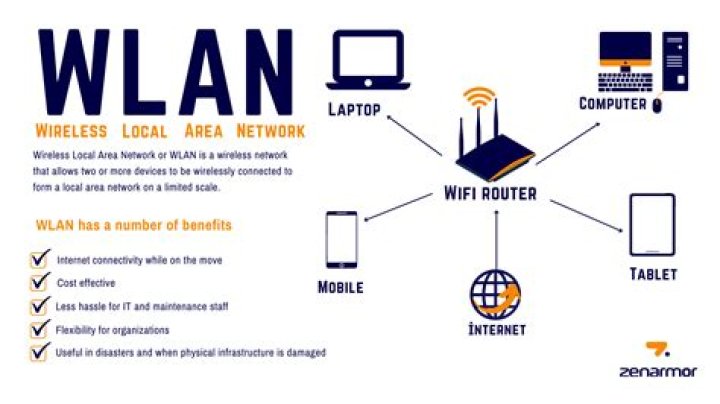
Every minute counts in a small company and wireless networks are a powerful tool for boosting productivity and encouraging information sharing. With untethered access to documents, emails, applications and other network resources, employees can roam where they need to and have constant access to the tools required to do their jobs.
The increasing popularity of wireless LAN is evidence primarily to their mobility, cost efficiency, productivity and easy to access.Here is a list of six potential benefits of deploying a wireless network. 1. Greater Mobility Increased mobility and collaboration are the biggest benefits that wireless network holds for most businesses.
Access up-to-the-minute communications and all documents and apps on the network, anywhere, anytime. Accessibility. Provide network access across your organization, even in areas that have been challenging to reach with the wired network, so your entire team can stay in touch. Expandability.
There are many advantages and disadvantages to wireless networks, with one of the primary benefits being the ease in which it enables people to share information. The best part about Wi-Fi is the ability to use the internet connection to connect to various services.
Why is wireless network important?
Increased Mobility: Wireless networks allow mobile users to access real-time information so they can roam around your company’s space without getting disconnected from the network. This increases teamwork and productivity company-wide that is not possible with traditional networks.
Aruba explains, “Gigabit Wi-Fi is the foundation of the digital workplace. Aruba’s 802.11ac portfolio delivers an enterprise-grade, stable wireless solution so that mobile users can roam while accessing business applications and data.
It also may have a longer lifecycle than a traditionally connected network. Increased Scalability: Wireless systems can be specifically configured to meet the needs of specific applications. These can be easily changed and scaled depending on your organization’s needs.
What are the advantages of wireless network?
Consider these advantages of a wireless network 1 Mobility and collaboration. Stay connected while moving throughout your work site. Access up-to-the-minute communications and all documents and apps on the network, anywhere, anytime. 2 Accessibility. Provide network access across your organization, even in areas that have been challenging to reach with the wired network, so your entire team can stay in touch. 3 Expandability. Grow your network efficiently, adding new users and locations without needing to run cables and wires. 4 Guest access. Offer secure network access to guest users, including customers and business partners, while keeping your network resources protected.
Wireless can enhance productivity and collaboration. Every minute counts in your business, and a wireless network is a powerful tool to boost productivity and promote information sharing.
Why is it important to use a wireless network?
Using a wireless network can increase productivity for a lower cost. Because of the increased mobility, employees can collaborate and share information wherever they need to and even take action in meetings instead of just taking notes and doing it later.
Your computer network is critical to your business. It keeps your applications and internet service connected to your computer systems. Without it, the communication of data between computers would not happen, which could impede normal business operation. There are two main types of networks: wired and wireless.
ADVERTISEMENT
There are two main types of networks: wired and wireless. As the names denote, wired networks use cables to connect systems while wireless networks send data signals through the air to connect. More and more companies are adopting the use of wireless networking solutions because they offer many benefits. The top five advantages are listed below.
Wireless Networks Are Scalable. One of the main goals of small businesses is growth, but if your network can’t grow with you, it will cause problems. When you use cables to connect your machines, growth means moving, adding or rerouting cables every time there’s a change.
